Dynamics

The industrial vacuum cleaner industry is currently in a stage of rapid development, with significant achievements in both technological innovation and market expansion. Here, we will capture cutting-edge industry trends, analyze market trends, interpret policy directions, explore potential opportunities, and provide you with professional, timely, and accurate consulting advice.

View more categories+
04-18

Small furniture factory dust collector, industrial dust collector for woodworking, dust collector for woodworking

Wood storage, lumber processing, machine carving, and sanding processes generate dust, while painting and drying processes produce volatile organic compounds. These wood chips and dust, along with volatile organic compounds without control measures, affect the working environment and employee health. They have been a major cause of fire hazards in furniture enterprises, which were a focus of fire department inspections, impacting work safety. Nowadays, they have become a key target for environmental protection departments in terms of pollution discharge. Currently, most production workshops are equipped with industrial dust collectors and woodworking dust collectors, which can clean up floor dust and wood chips, improving the working environment and enhancing work efficiency. The sources of dust and sawdust pollution mainly exist in wood cutting areas, woodworking workshops, painting and polishing workshops, and furniture factory workshops, which are all key areas for environmental protection departments to inspect. Specifically, dust emissions mainly occur during processes such as cutting, drilling, machining, sanding, and polishing. The use of industrial vacuum cleaners can be integrated with machines, equipped with dedicated suction ports to directly remove dust during sanding and drilling processes, saving operation time and improving product precision, enhancing quality from details to overall performance.

04-13

What are the requirements for selecting industrial vacuum cleaners (dust collectors) specifically for laser cutting and welding?

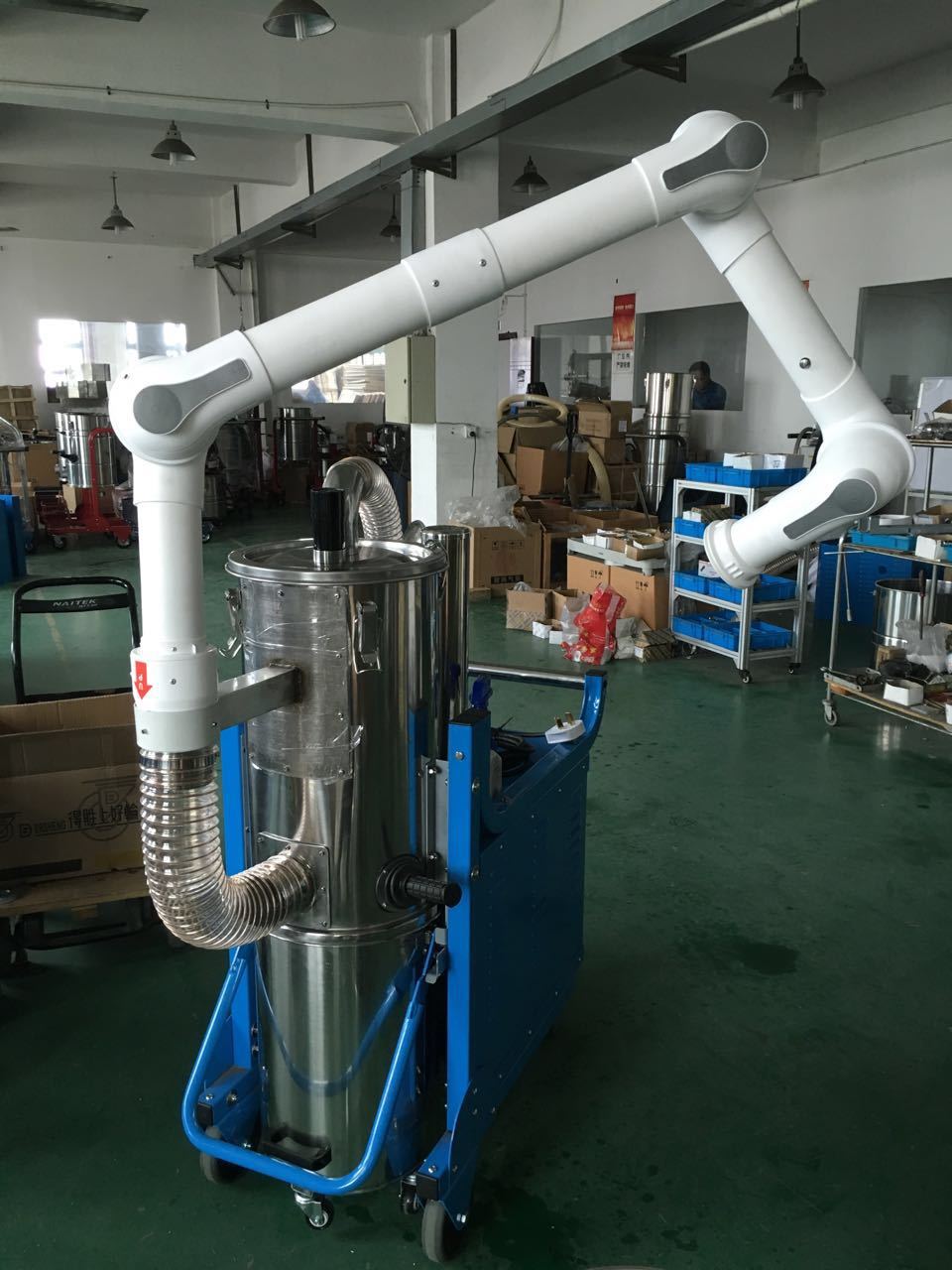
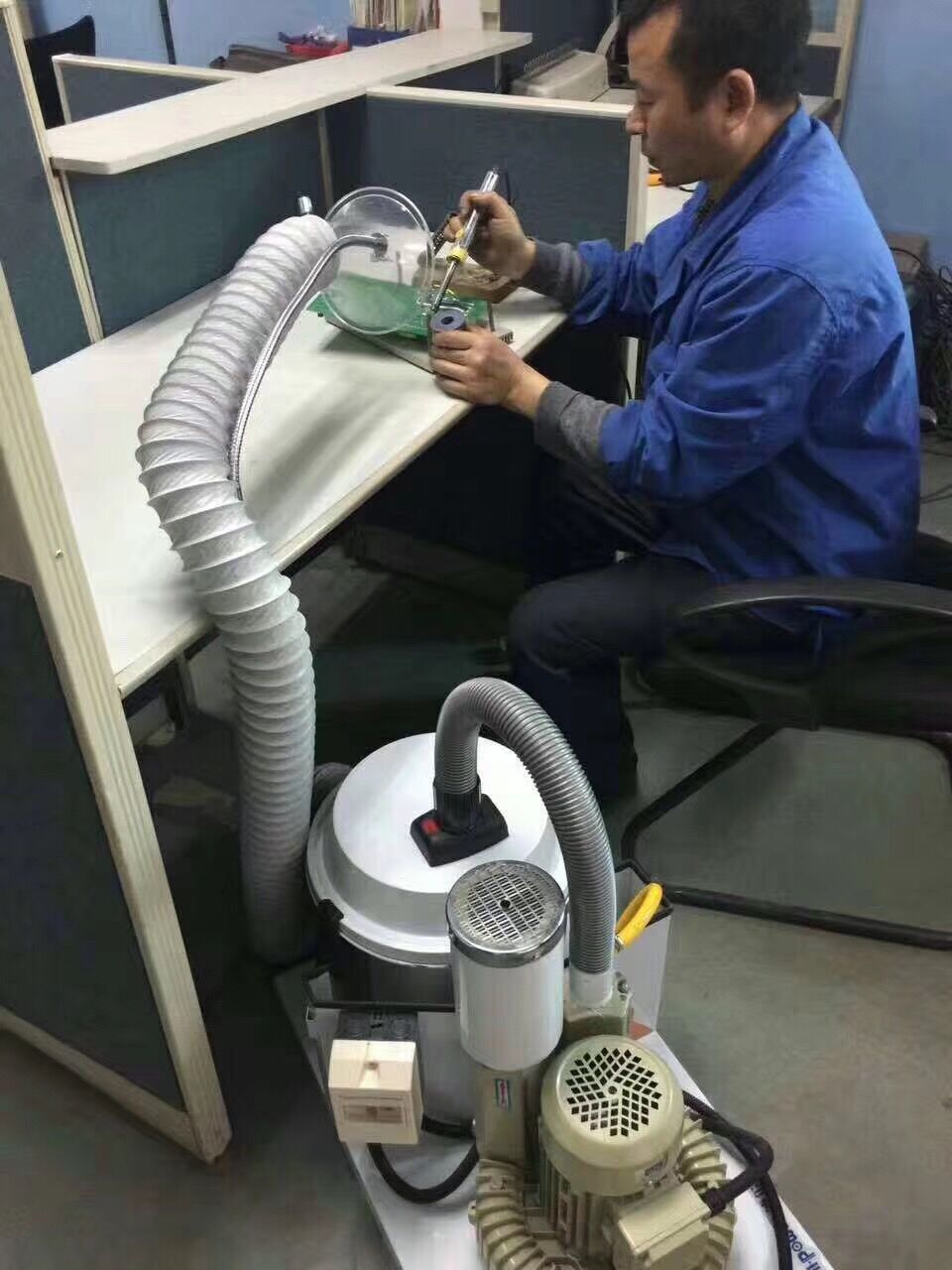
What are the requirements for purchasing industrial vacuum cleaners (dust collectors) specifically for laser cutting and welding? Industrial vacuum cleaners (dust collectors) specifically for laser cutting and welding are used in industrial production processes to collect waste, filter and purify air, and clean the environment. Industrial vacuum cleaners can absorb various types of metal, non-metal, oil, water, and other particulate contaminants and liquids, as well as toxic and harmful gases. In the laser cutting and welding industry, they can improve product quality by removing waste gas, welding slag, and iron dust. In the chemical industry, they can recover some expensive catalysts, and as an environmental protection device, industrial vacuum cleaners can effectively prevent some occupational diseases, such as pneumoconiosis in welders. Working principle of industrial vacuum cleaners specifically for laser cutting and welding: When the motor of the specialized industrial vacuum cleaner rotates, it creates a vacuum that directly sucks waste gas, welding slag, and iron dust into the dust collection bucket. The air moves downward, forming a series of spiral movements. The contaminants fall directly to the bottom of the dust collection bucket, while some fine dust is blocked by a high-efficiency filter, and then normal air is expelled through the exhaust outlet. This prevents excessive machine smoke, which could affect the working environment and quality.

< 1234...14 >