Dynamics

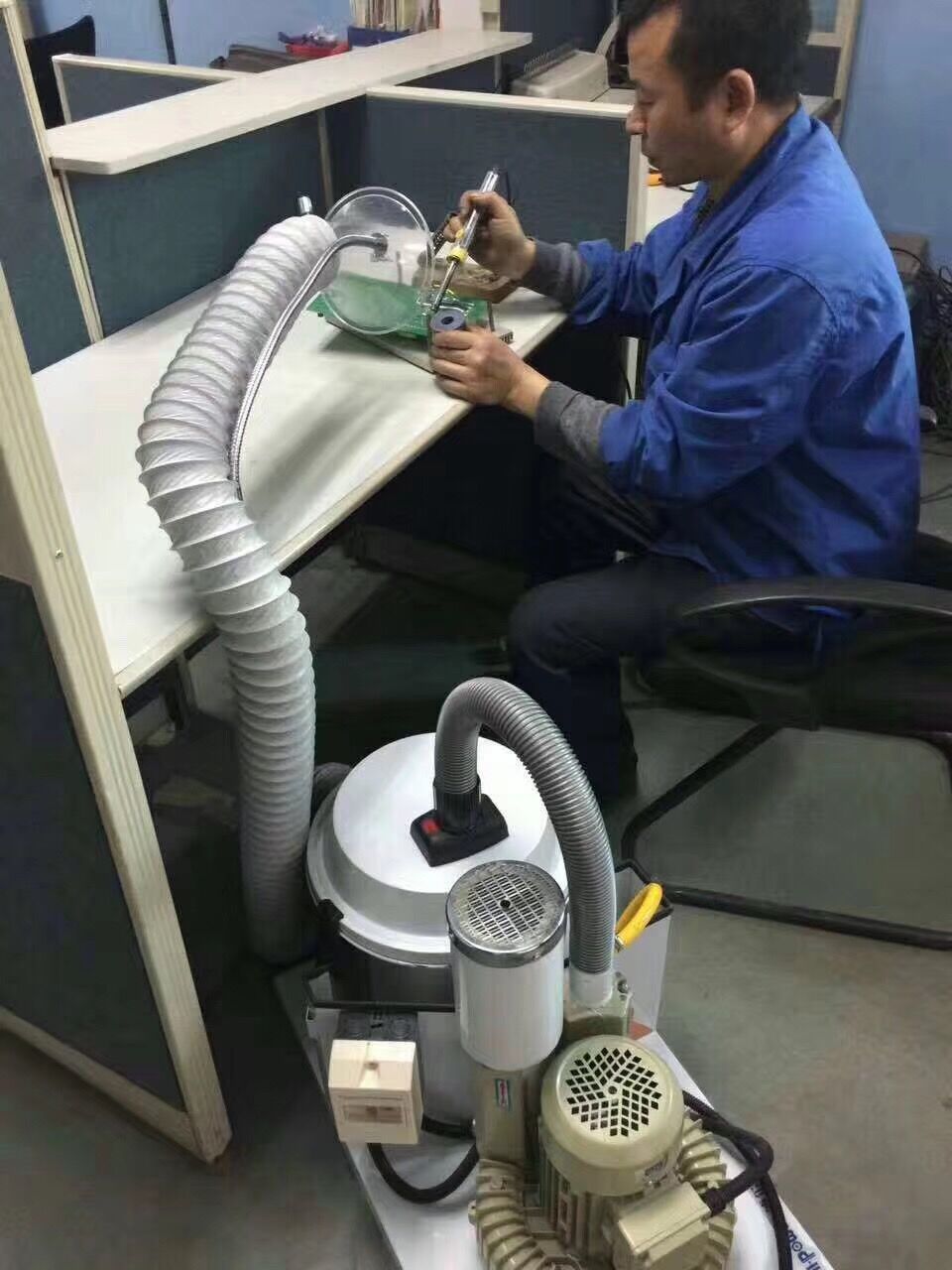
The industrial vacuum cleaner industry is currently in a stage of rapid development, with significant achievements in both technological innovation and market expansion. Here, we will capture cutting-edge industry trends, analyze market trends, interpret policy directions, explore potential opportunities, and provide you with professional, timely, and accurate consulting advice.

View more categories+
05-21

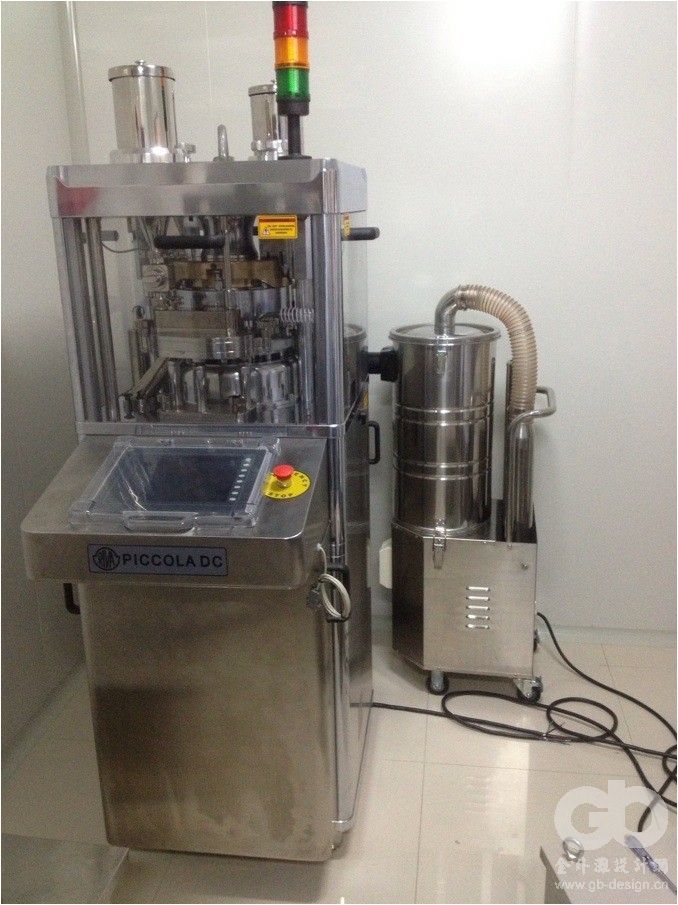
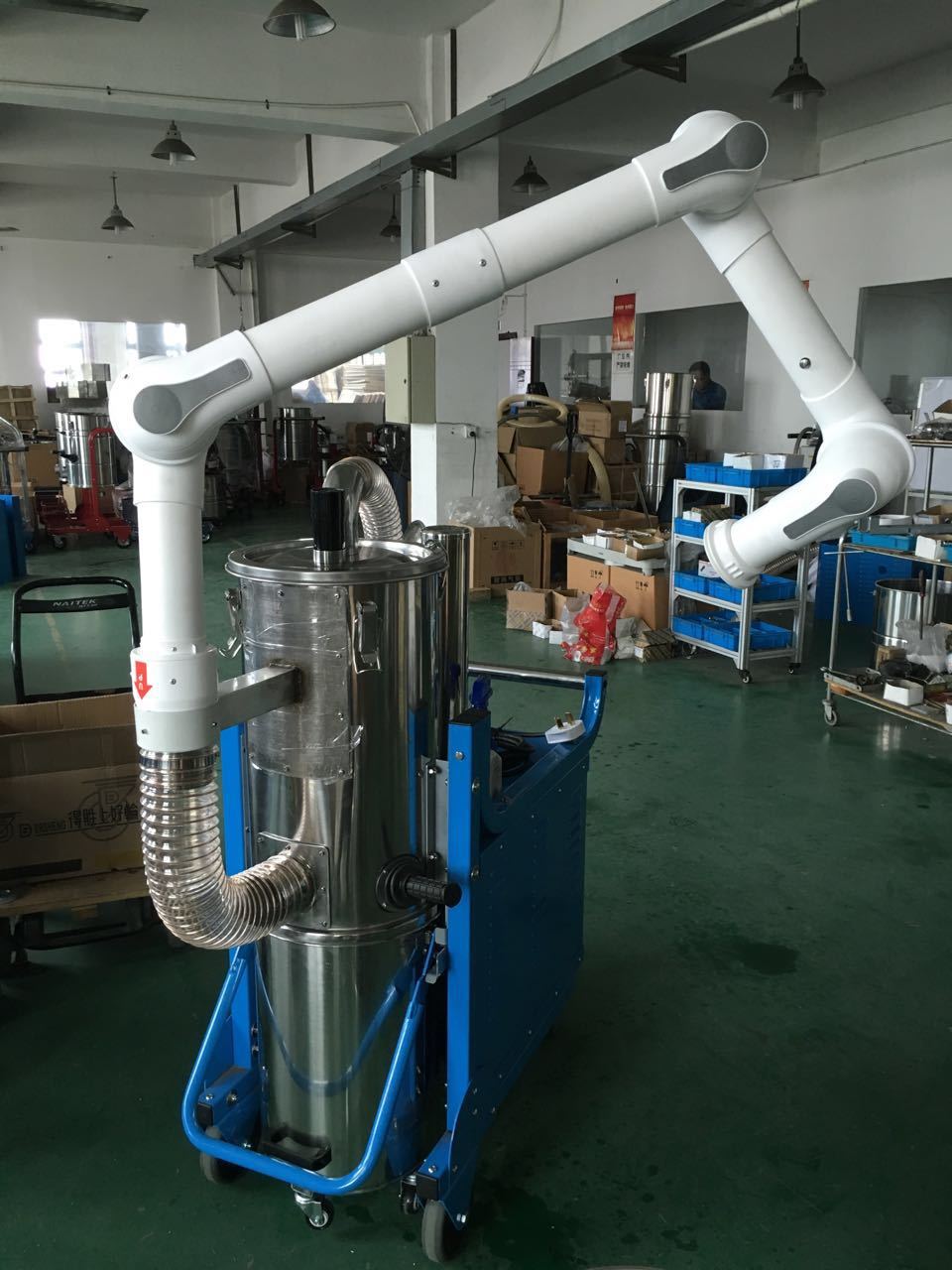
Special vacuum cleaner for pharmaceutical factory production line - vacuum cleaner for pharmaceutical factory, price of vacuum cleaner for吸药粉.

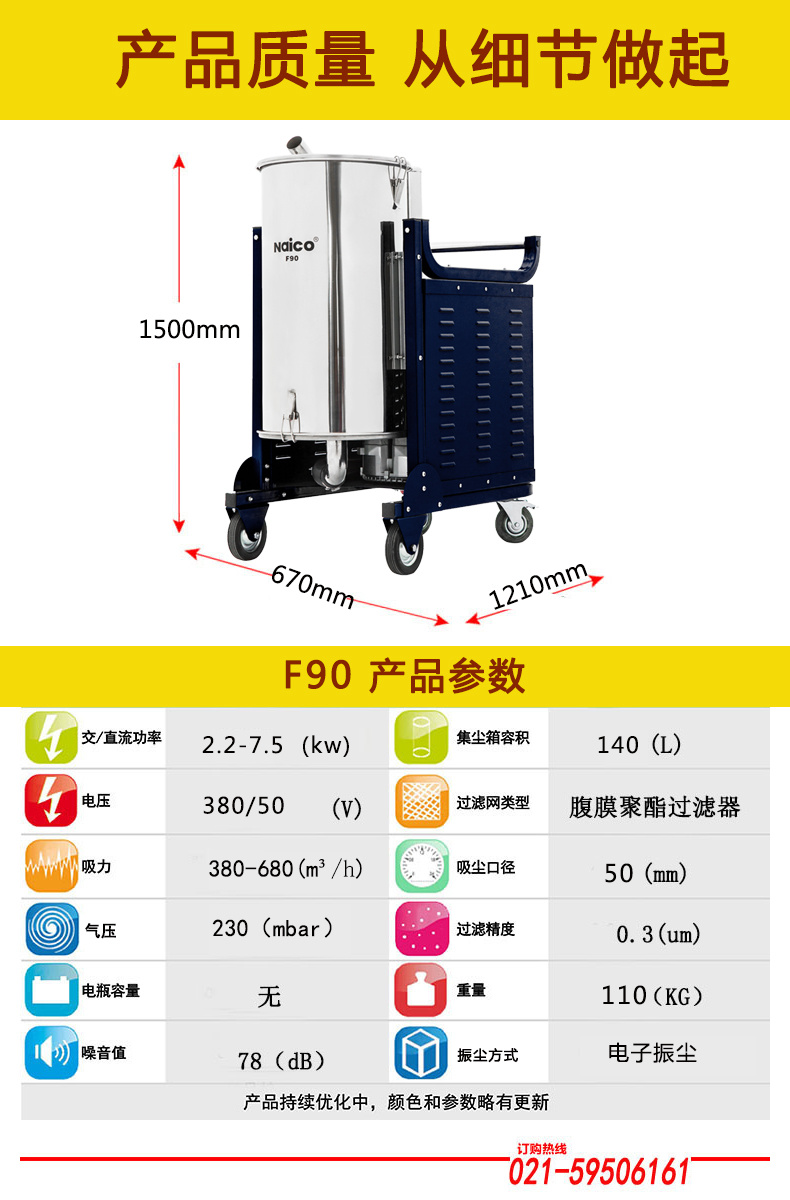
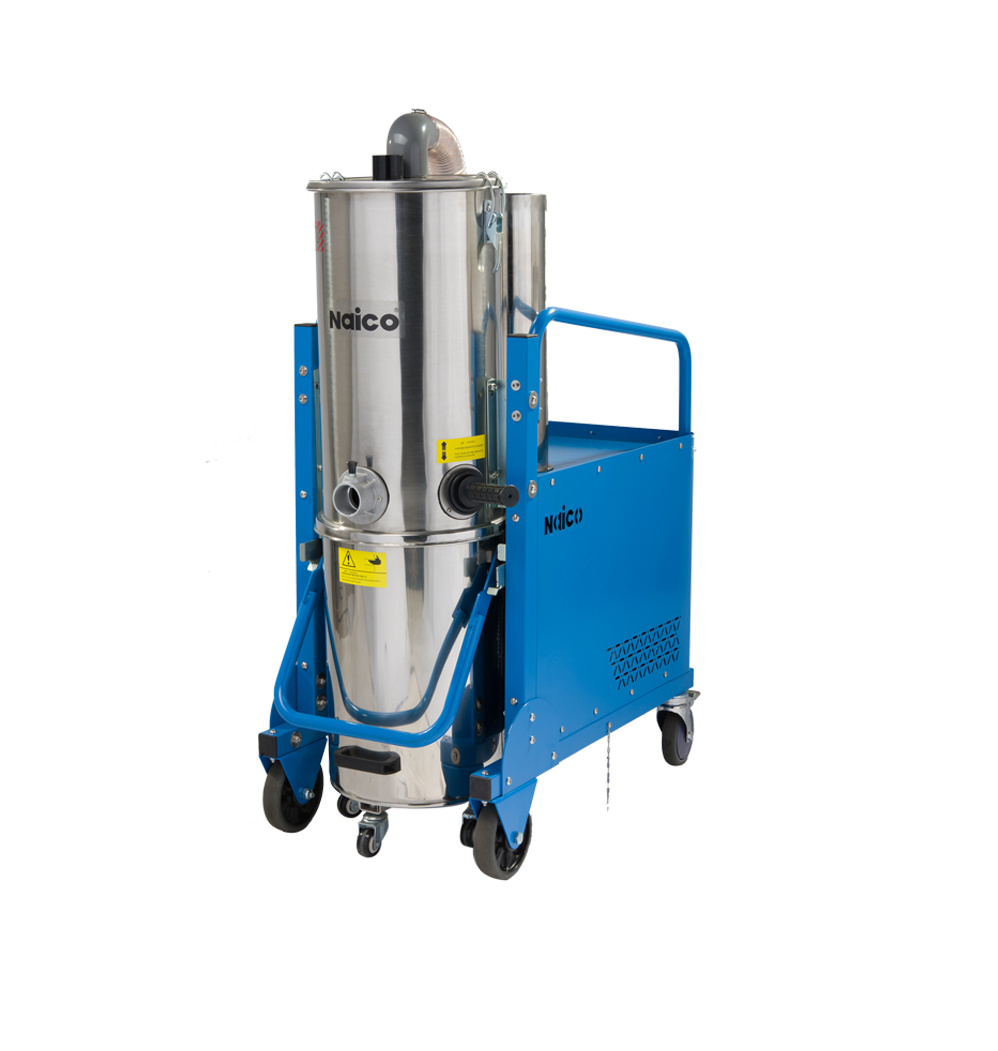
In the pharmaceutical industry, industrial vacuum cleaners are products developed to meet the continuous dust removal needs in industrial settings. They use a vortex air pump, which is similar to a large gas turbine impeller. When the impeller of the vortex pump rotates, the air between the impeller and the blades is subjected to centrifugal force, moving towards the edge of the impeller, where the air enters the annular space of the pump body and then returns to the impeller. The process repeats in the same manner from the starting point of the blades. Because the air is accelerated uniformly, the circulating airflow generated by the rotation of the impeller allows the air to exit in a spiral form, resulting in air leaving the pump with extremely high energy (the pressure it generates is 12-17 times that of a centrifuge with the same rotational speed and diameter). Additionally, it features ease of operation, flexible mobility, wide applicability, and safe and reliable performance, making it particularly suitable for industries such as pharmaceuticals, chemicals, and food. 1. The NT300 series is a vacuum cleaner for powder removal in the pharmaceutical industry launched by Nake, equipped with a turbine motor that can operate continuously for 24 hours. 2. It has a high-precision filtration effect, using a dual-layer high-efficiency filter with a filtration precision of 0.3um and an efficiency of up to 99.98%. The first layer is a dust protection filter; the second layer is a HEPA high-efficiency air filter.

05-21

Small furniture factory dust collector, industrial dust collector for woodworking, dust collector for woodworking

Wood storage, lumber processing, machine carving, and sanding processes generate dust, while painting and drying processes produce volatile organic compounds. These wood chips and dust, along with volatile organic compounds without control measures, affect the working environment and employee health. They have been a major cause of fire hazards in furniture companies, which were a focus of fire department inspections, impacting work safety. Nowadays, they have become a key target for environmental protection departments in terms of pollution discharge. Currently, most production workshops are equipped with industrial dust collectors and woodworking dust collectors, which can clean up floor dust and wood chips, improving the working environment and increasing work efficiency. Dust and sawdust pollution sources mainly exist in wood cutting areas, wood processing workshops, painting and polishing workshops, and furniture factory workshops, which are all key areas for environmental protection inspections. Specifically, dust emissions mainly occur during processes such as cutting, drilling, machining, sanding, and polishing. The use of industrial vacuum cleaners can be integrated with machines, equipped with dedicated suction ports to directly remove dust during sanding and drilling processes, saving operation time and improving product precision, enhancing quality from details to overall performance.

< 1234...15 >